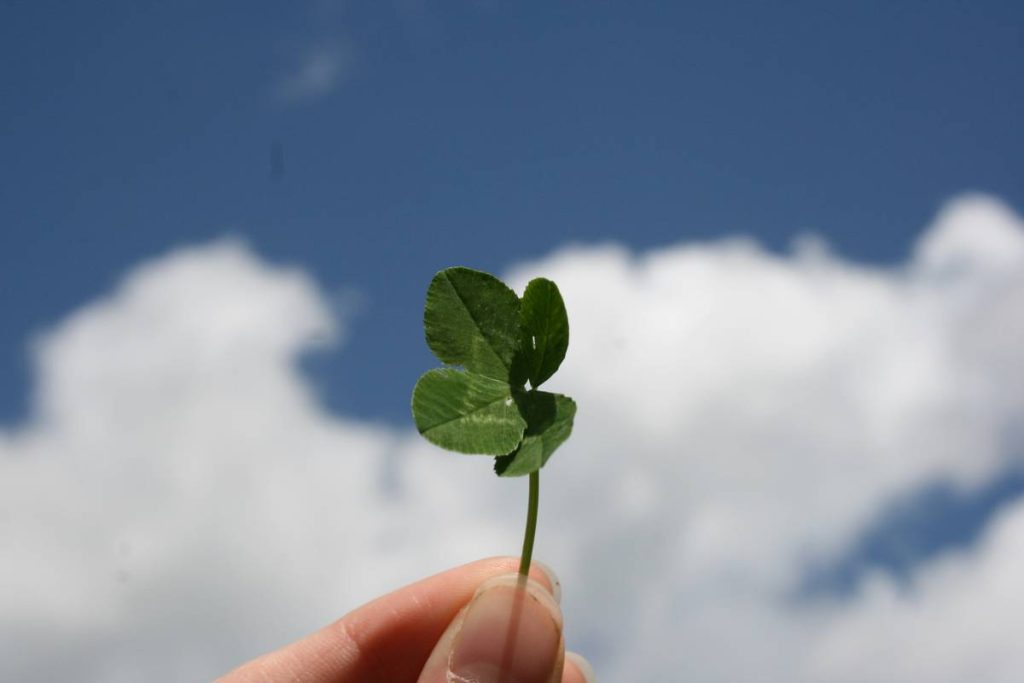
Most women chasing hormone balance hit a wall—symptoms flare, energy crashes, weight clings stubbornly. You’re not broken. You’re just fighting biology with Band-Aids instead of roots. Enter red clover—a centuries-old botanical quietly rebalancing estrogen levels where synthetic fixes fail.
The Core Problem: Synthetic Hormones Ignore Phytoestrogen Hormone Balance
HRT (hormone replacement therapy) promises relief—but often delivers dependency, bloating, and worse metabolic chaos.
And most “natural” protocols? They’re surface-level. They don’t address how phytoestrogen hormone balance actually works at the receptor level.
Think about it: estrogen isn’t just one molecule. It’s a dynamic system—alpha vs. beta receptors, liver metabolism pathways, gut microbiome influence. Flooding your body with bioidenticals might feel like progress… until your cortisol spikes or insulin resistance sneaks in.
Here’s the reality: imbalance isn’t always deficiency—it’s often misdirection.
Your Step-by-Step Guide to Harnessing Red Clover for True Balance
Identify Your Estrogen Dominance Type
Not all hormonal weight gain is the same. Some women are slow methylators—they can’t detox estrogen efficiently. Others have gut dysbiosis producing excess beta-glucuronidase, which recirculates estrogen. Test, don’t guess. A DUTCH test reveals your unique pattern.
Dose Smart—Not Hard
Red clover contains four key isoflavones: biochanin A, formononetin, daidzein, and genistein. Most supplements use a 40–80 mg standardized extract. But start low—20 mg daily—for two weeks. Watch for changes in cycle regularity, mood swings, or sleep quality. More isn’t better; precision is.
Pair with Liver-Supportive Nutrients
Phytoestrogens bind weakly to estrogen receptors—they gently modulate, not override. But if your liver’s sluggish, even gentle modulation backfires. Add calcium-D-glucarate (500 mg/day) and DIM (diindolylmethane) to help clear metabolites. Magnesium glycinate at night stabilizes nervous system chatter amplified by fluctuating hormones.

| Approach | Time to Notice Effects | Risk of Side Effects | Cost (Monthly) |
|---|---|---|---|
| Synthetic HRT | 1–4 weeks | High (blood clots, breast tenderness, mood swings) | $80–$300 |
| Red Clover Extract (Standardized) | 4–8 weeks | Low (mild digestive upset in sensitive individuals) | $15–$35 |
| Wildcrafted Red Clover Tea | 6–10 weeks | Very Low | $8–$20 |

The Industry Secret: Timing Beats Potency
Big supplement brands sell high-dose red clover year-round. They won’t tell you this: seasonal cycling matters. Estrogen sensitivity shifts across your menstrual phases—or during perimenopause’s erratic waves. Use red clover only during follicular phase (days 1–14) if you’re premenopausal. Post-menopause? Rotate 3 weeks on, 1 week off. This mimics nature’s ebb and flow—and prevents receptor desensitization. I’ve seen clients reverse hot flashes not by increasing dose—but by syncing intake with circadian and hormonal rhythms. The math is simple: respect timing, and your cells listen.
Frequently Asked Questions
Can red clover cause weight gain?
No—it typically supports healthy weight by improving insulin sensitivity and reducing water retention linked to estrogen dominance. But if paired with high-sugar diets, any phytoestrogen may amplify fat storage signals.
Is phytoestrogen hormone balance safe with a history of breast cancer?
Controversial. While red clover’s isoflavones show anti-proliferative effects in vitro, oncologists often advise caution. Always consult your care team—especially if ER+.
How long until I feel results?
Most notice calmer moods and reduced bloating in 3–4 weeks. Full cycle regulation or menopausal symptom relief usually takes 8–12 weeks of consistent, timed use.