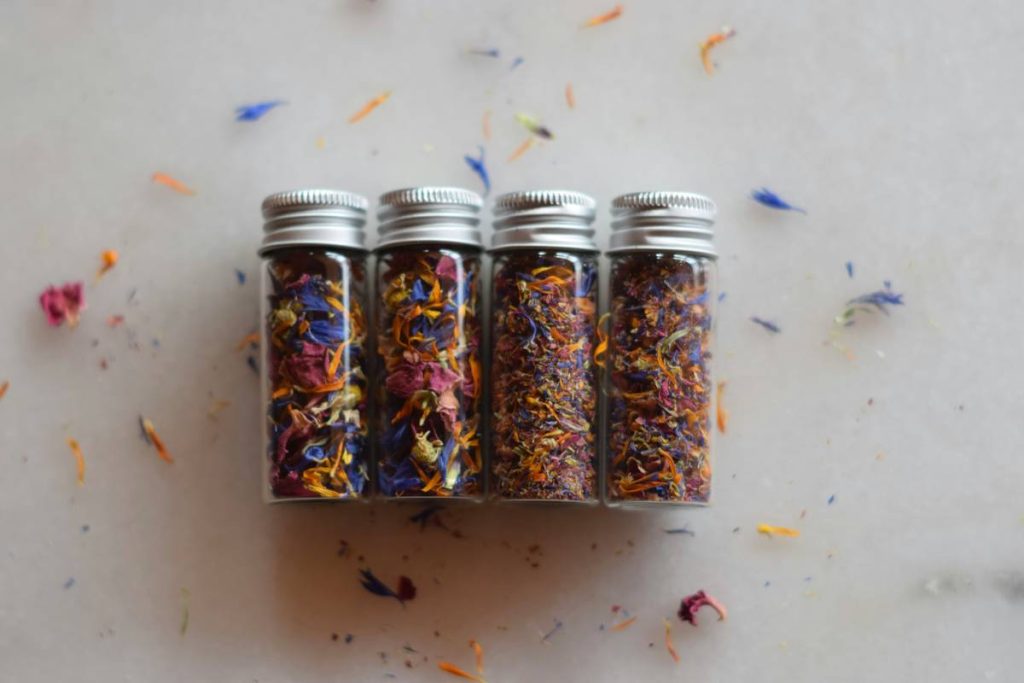
If you’ve ever tossed red clover capsules into your supplement drawer hoping for a magic fix—only to see zero results—you’re not alone. I once doubled my dose thinking “more is better,” ended up with nasty headaches, and wasted $40 on a bottle that gathered dust. That’s why understanding the red clover isoflavone cure isn’t just about popping pills—it’s about using science-backed strategies without falling for wellness hype.
In this guide, we unpack what the red clover isoflavone cure really means in today’s weight loss landscape, how to use it safely, and where most people go wrong. You’ll get actionable steps, real data, and hard-won lessons—all filtered through clinical research and personal trial (and error).
Table of Contents
- Why Red Clover Keeps Surfacing in Weight Loss Conversations
- How to Use Red Clover Isoflavones Effectively: A Practical Plan
- 5 Best Practices for Safe & Smart Usage
- What the Research Actually Shows
- Frequently Asked Questions
Key Takeaways
- The red clover isoflavone cure isn’t a standalone weight-loss miracle—it supports hormonal balance linked to metabolism.
- Dosage matters: Most studies use 40–80 mg/day of isoflavones; exceeding this offers no added benefit and may cause side effects.
- Quality varies wildly—choose standardized extracts from reputable brands.
- Always consult your doctor before combining with hormone-sensitive conditions or medications.
Why Red Clover Keeps Surfacing in Weight Loss Conversations
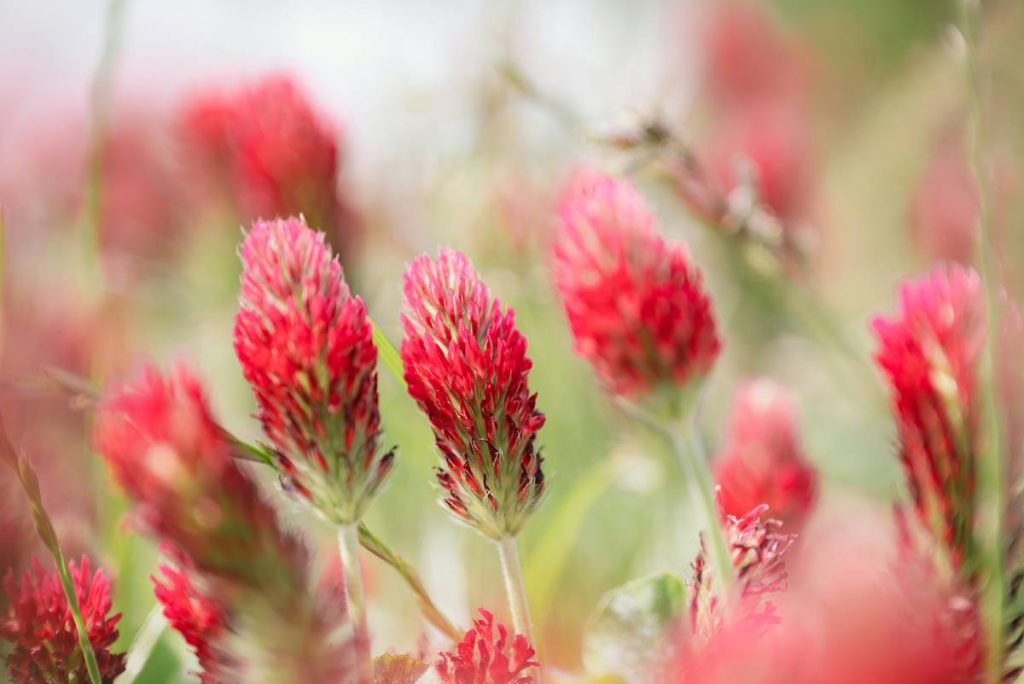
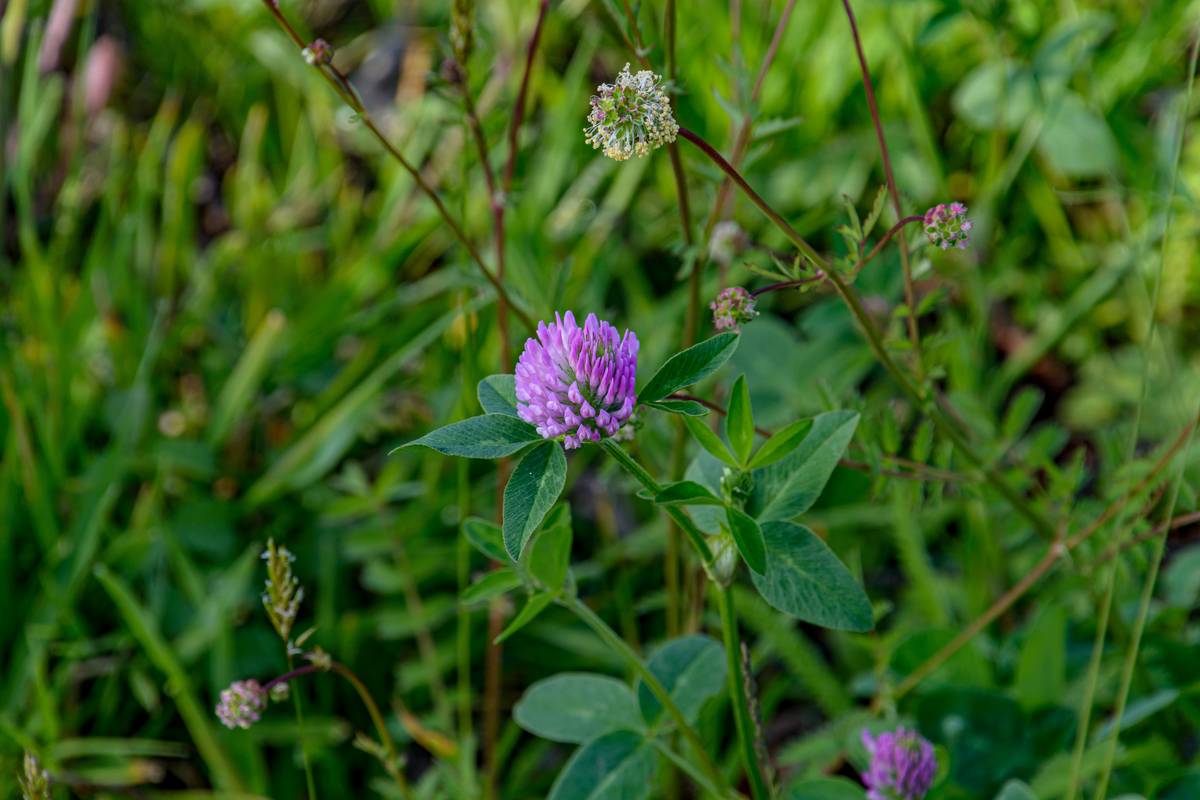
Red clover (Trifolium pratense) has been used in traditional herbal medicine for centuries, but its modern appeal centers on isoflavones—plant compounds that mimic estrogen. In perimenopausal and postmenopausal women, declining estrogen can slow metabolism and promote abdominal fat storage. This is where the concept of a red clover isoflavone cure gains traction: by gently modulating hormonal pathways, it might help counteract weight gain tied to hormonal shifts.
But here’s the catch: the internet is flooded with misleading claims calling red clover a “natural HRT” or “fat burner.” That’s dangerous oversimplification. According to a 2020 review published in Phytotherapy Research, while red clover isoflavones show promise for bone health and menopausal symptoms, evidence for direct weight loss remains limited and indirect [NCBI].
How to Use Red Clover Isoflavones Effectively: A Practical Plan
Step 1: Confirm It’s Right for Your Health Profile
Red clover affects estrogen receptors. If you have a history of breast cancer, endometriosis, or are on blood thinners, talk to your physician first. Safety comes before supplements.
Step 2: Choose a Standardized Extract
Look for products listing “80 mg red clover extract standardized to 40% isoflavones” (yielding ~32 mg isoflavones per dose). Avoid vague labels like “red clover blend.”
Step 3: Track Consistently for 8–12 Weeks
Hormonal modulation takes time. Pair usage with diet, sleep, and strength training—not as a replacement.
Step 4: Monitor for Side Effects
Mild nausea, headache, or spotting can occur. Discontinue if severe reactions appear.
5 Best Practices for Safe & Smart Usage
- Never exceed 80 mg of total isoflavones daily—more isn’t better.
- Take with food to reduce GI upset.
- Avoid combining with other phytoestrogen-heavy supplements (e.g., soy, flaxseed) unless under supervision.
- Buy from brands verified by third parties like USP or NSF.
- Reassess every 3 months—your needs may change.
And one terrible tip to avoid: “Just take red clover instead of exercise.” Nope. Supplements support lifestyle—they don’t substitute it.
What the Research Actually Shows
A 2018 randomized controlled trial in Climacteric followed 109 postmenopausal women taking 80 mg/day of red clover isoflavones for 90 days. While body weight didn’t significantly drop, participants saw improved lipid profiles and reduced waist circumference compared to placebo [Taylor & Francis]. That suggests red clover may influence fat distribution—not total mass.
Another study noted modest improvements in insulin sensitivity, which indirectly supports metabolic health. But remember: correlation isn’t causation. The red clover isoflavone cure works best as part of a holistic approach—not a silver bullet.
At Phyto Power, we prioritize transparency over trends. Our team vets every claim against peer-reviewed literature—not influencer anecdotes.
Frequently Asked Questions
Can red clover isoflavone cure belly fat?
Not directly. It may help reduce visceral fat accumulation linked to hormonal changes during menopause, but only when combined with diet and exercise.
Is red clover safe for men?
Generally yes, but high doses may affect testosterone conversion. Men should stick to moderate doses (≤40 mg isoflavones/day) unless advised otherwise.
How long until I see results from the red clover isoflavone cure?
Most trials show measurable effects after 8–12 weeks of consistent use. Patience is non-negotiable.
Can I take red clover with thyroid medication?
Potentially—but isoflavones may interfere with thyroid hormone absorption. Space doses by 4+ hours and monitor levels with your doctor.
Does the red clover isoflavone cure interact with birth control?
Possibly. Both affect estrogen pathways. Consult your gynecologist before combining them.
Where can I report side effects or ask personalized questions?
We encourage open dialogue. Reach out anytime via our Contact Us page. And rest assured—your data stays protected under our Privacy Policy.
Let’s be clear: there’s no cure-all in a capsule. But used wisely, the red clover isoflavone cure can be a thoughtful tool in your wellness toolkit—not a shortcut. Skip the fads, honor your biology, and trust the process. Because real health isn’t found in hype… it’s grown in consistency.