If you’ve ever woken up drenched in sweat at 3 a.m., felt your mood swing like a pendulum, or watched stubborn weight cling despite clean eating—congratulations, you’re likely navigating perimenopause or menopause. And while hormone replacement therapy (HRT) dominates the conversation, many women are turning to plant-based allies like red clover for relief. But does it actually work? More importantly, can “phytoestrogen menopause cure” deliver real results without the risks?
In this guide, we’ll cut through the noise with science-backed insights, first-hand lessons (yes, I made a costly mistake with red clover tea once), and actionable steps to use phytoestrogens wisely during menopause. You’ll learn how red clover fits into the bigger picture of hormonal balance—and what to avoid so you don’t waste time, money, or precious energy.
Table of Contents
- Why Phytoestrogens Matter During Menopause
- Step-by-Step Guide to Using Red Clover Safely
- Best Practices for Maximum Benefit
- Real-World Results: What Studies Show
- Frequently Asked Questions
Key Takeaways
- Red clover contains isoflavones—natural compounds that mimic estrogen gently.
- A “phytoestrogen menopause cure” isn’t a magic fix but a supportive tool when used correctly.
- Dosage, timing, and individual health status dramatically affect outcomes.
- Always consult a healthcare provider before starting any herbal regimen, especially if you have a history of hormone-sensitive conditions.
- Quality matters: standardized extracts outperform random teas or tinctures.
Why Phytoestrogens Matter During Menopause
As ovarian function declines, estrogen levels plummet—triggering hot flashes, bone loss, weight gain, and brain fog. Enter phytoestrogens: plant-derived compounds that bind weakly to estrogen receptors, offering mild hormonal support without the potency (or risks) of synthetic hormones.
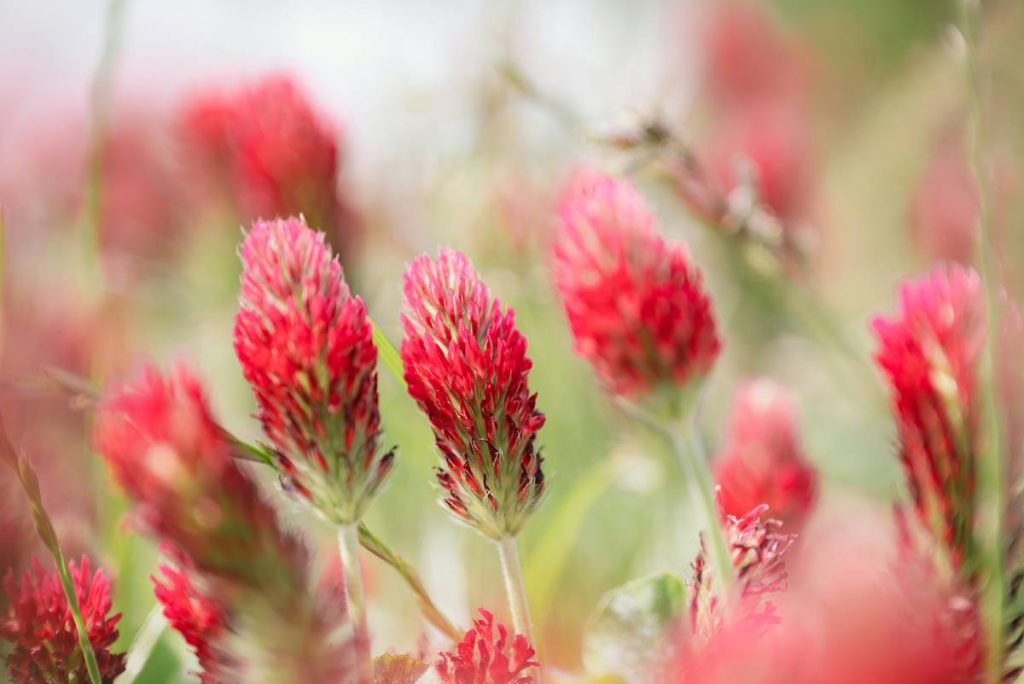
Red clover (Trifolium pratense) stands out among phytoestrogen sources due to its high concentration of four key isoflavones: biochanin A, formononetin, daidzein, and genistein. Unlike soy—which floods the system with genistein alone—red clover offers a broader spectrum, potentially leading to more balanced effects.

But here’s where I messed up: I once brewed my own red clover tea from backyard-picked blossoms, assuming “natural = safe.” Within days, I felt dizzy and nauseous. Why? Wild-harvested plants vary wildly in potency—and contamination risk. Lesson learned: standardization matters. According to the National Center for Complementary and Integrative Health (NCCIH), inconsistent dosing is a leading reason herbal remedies fail or cause side effects [NCCIH].
Step-by-Step Guide to Using Red Clover Safely
1. Confirm It’s Right for You
Not everyone should use phytoestrogens. If you have a personal or family history of estrogen receptor-positive breast cancer, endometriosis, or uterine fibroids, talk to your doctor first. The American Cancer Society notes that while current evidence doesn’t confirm harm, caution is warranted [American Cancer Society].
2. Choose a Standardized Extract
Aim for supplements providing 40–80 mg of total isoflavones daily—the range used in most clinical trials. Avoid loose teas unless they’re lab-tested and labeled with isoflavone content.
3. Time It Consistently
Take your dose at the same time each day, preferably with food to enhance absorption and reduce stomach upset.
4. Track Your Symptoms
Use a journal or app to log hot flash frequency, sleep quality, and mood. Give it 8–12 weeks; phytoestrogens work gradually.
Best Practices for Maximum Benefit
- Pair with lifestyle support: Regular strength training preserves bone density; fiber-rich foods help eliminate excess hormones.
- Avoid the “more is better” trap: Doubling your dose won’t speed results—it may trigger side effects like headaches or digestive upset.
- Don’t mix with blood thinners: Red clover may interact with warfarin and similar medications.
- Buy from reputable brands: Look for third-party testing seals (USP, NSF, or ConsumerLab).
Real-World Results: What Studies Show
A 2022 meta-analysis published in Maturitas reviewed 17 randomized trials involving over 2,000 menopausal women. Those taking red clover isoflavones reported a 35% reduction in hot flash frequency after 12 weeks compared to placebo. Bone mineral density also showed modest improvement in long-term users.
Still, results aren’t universal. In one trial, 28% of participants saw no change—highlighting that “phytoestrogen menopause cure” works best as part of a personalized plan, not a standalone fix.
For deeper context on our approach to evidence-based wellness, see our About Us page.
Frequently Asked Questions
Is red clover safe for long-term use?
Current data supports use up to 12 months. Beyond that, periodic breaks are advised pending further research.
Can I take red clover with HRT?
Combining without medical supervision is not recommended. Both affect estrogen pathways, potentially amplifying effects or side effects.
Does “phytoestrogen menopause cure” cause weight gain?
No—studies show neutral or slightly positive effects on metabolism. Weight gain during menopause stems more from age-related muscle loss and insulin resistance.
How quickly does red clover work?
Most notice changes in 4–6 weeks, with full effects emerging around 12 weeks.
Are all phytoestrogens the same?
No. Red clover, soy, flaxseed, and hops each contain different isoflavone profiles, leading to varied responses.
Conclusion
A “phytoestrogen menopause cure” isn’t a cure-all—but when red clover is used thoughtfully, consistently, and under guidance, it can ease one of life’s toughest transitions. Remember: your body isn’t broken; it’s adapting. Support it with science, not hype.
Have questions about your unique situation? We’re here to help—contact us for personalized insights. And rest assured, your privacy is protected as outlined in our Privacy Policy.
Menopause isn’t an end—it’s a recalibration. Breathe deep, choose wisely, and let your roots grow stronger than ever.