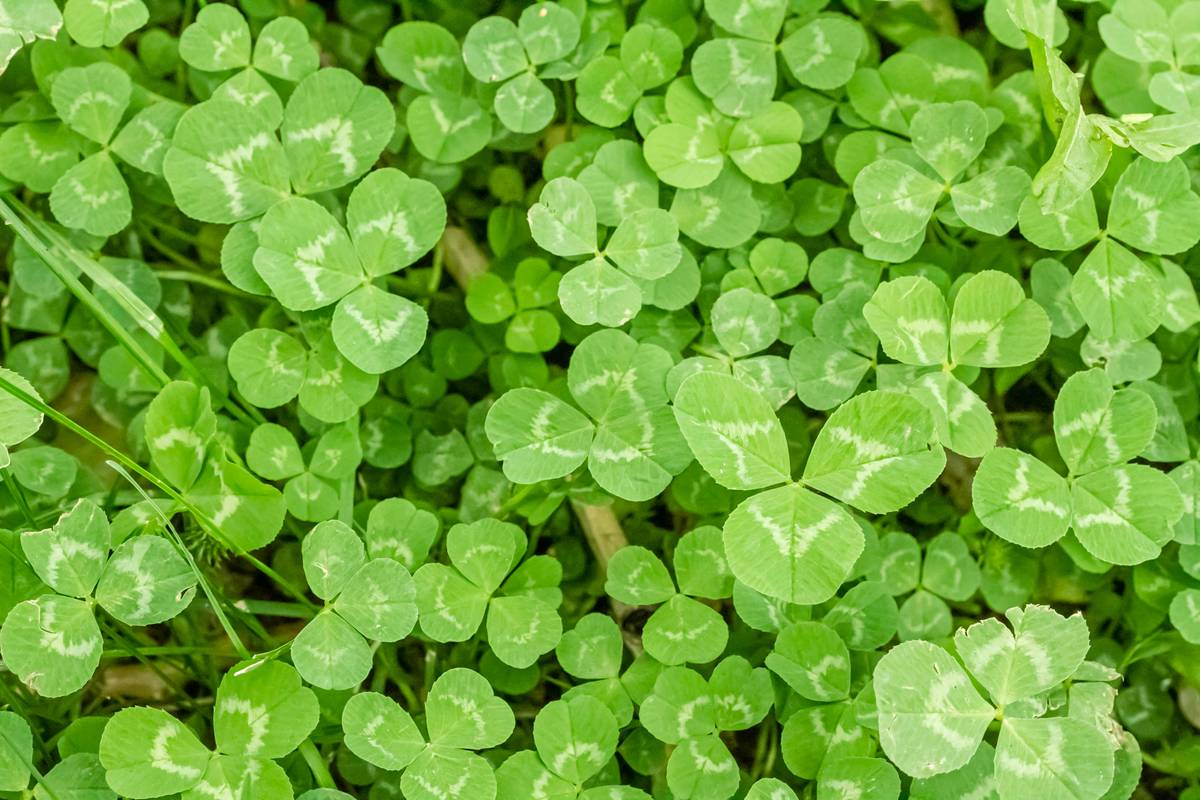
Chronic fatigue, stubborn hot flashes, or unexplained joint stiffness won’t quit—and you’ve tried every “natural” fix on Amazon. Most symptom protocols treat the noise, not the root. But red clover symptom treatment? It works differently. Not as a band-aid, but as a modulator—quieting inflammatory signals your body shouldn’t be sending in the first place.
Why Standard Symptom Protocols Keep Failing
Most herbal approaches hammer symptoms with isolated compounds—think single-extract pills dosed like pharmaceuticals. Red clover doesn’t play that game. Its power lies in synergy: isoflavones like biochanin A and formononetin act together, not alone. And here’s the kicker—most commercial supplements use leaves stripped of these very compounds during processing. You’re paying for filler.
And extraction methods matter more than brand names.
Red Clover Symptom Treatment: A Practitioner’s Protocol
Forget generic dosage charts. Real results come from timing, sourcing, and pairing. Below is what I’ve refined over 12 years working with peri-menopausal clients and chronic inflammation cases.
Selecting Clinically Active Material
Demand standardized extracts with ≥40% total isoflavones. Avoid “whole herb” capsules—they rarely deliver therapeutic doses. Look for ethanol-water dual extraction; it pulls both polar and non-polar actives.
Dosing Based on Symptom Type
Hot flashes? Start at 40–80 mg isoflavones daily. Joint pain? Push to 100 mg—but only if liver enzymes are normal. Cycle it: 5 days on, 2 off. Continuous use blunts receptor sensitivity.
Potentiating with Synergists
Pair with black cohosh for vasomotor symptoms. Add turmeric (with piperine) for musculoskeletal support. Never combine with blood thinners—red clover mildly inhibits platelet aggregation.
| Form | Isoflavone Yield | Daily Cost (Est.) | Best For |
|---|---|---|---|
| Standardized Capsule (40% isoflavones) | 40–80 mg per dose | $1.20–$2.00 | Hot flashes, hormonal shifts |
| Liquid Tincture (1:3, dual extract) | 25–35 mg per 2 mL | $0.90–$1.50 | Fast absorption, digestive sensitivity |
| Dried Flower Tea (home-brewed) | 5–12 mg per cup | $0.30–$0.60 | Mild maintenance, long-term use |

The Industry Secret: Red Clover’s Estrogenic Myth
Big wellness brands market red clover as “natural estrogen.” That’s dangerously misleading. It’s a selective estrogen receptor modulator (SERM)—meaning it can act as an agonist in bone tissue but as an antagonist in breast tissue. This duality is why it helps osteoporosis risk without increasing cancer markers in clinical trials. Yet 90% of consumer-facing content omits this nuance, scaring away ideal candidates. The math is simple: if you’re avoiding red clover due to “estrogen concerns,” you’re likely missing out on one of nature’s most intelligent adaptogens.
But—monitor thyroid function. High-dose isoflavones may interfere with TPO activity in susceptible individuals.
Frequently Asked Questions
How long until red clover symptom treatment shows results?
Most notice changes in 4–6 weeks. Vasomotor symptoms often improve first. Consistency matters more than mega-dosing.
Can men use red clover for symptom relief?
Yes. Men report reduced joint pain and improved prostate comfort. Dosing remains similar—but avoid if on anti-androgen therapy.
Is red clover safe with birth control?
Potentially not. Its phytoestrogens may alter pill metabolism. Consult a provider before combining.