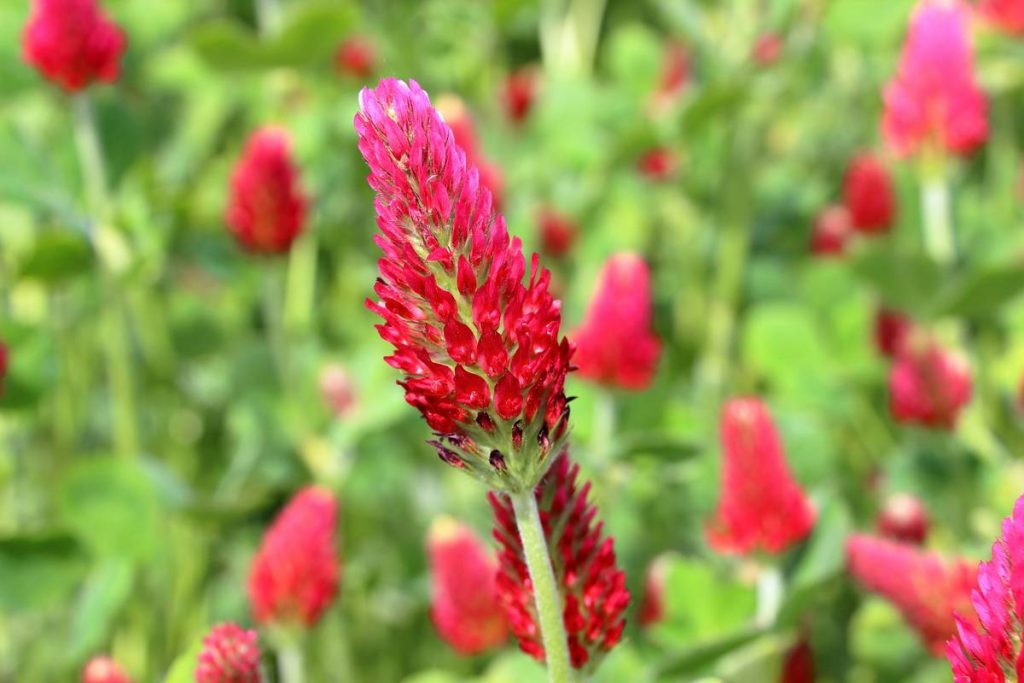
Hot flashes. Mood swings. Sleepless nights. If you’re navigating menopause, you’ve likely tried everything—from prescription HRT to herbal teas—and still feel like your body’s betraying you. The real problem? Most approaches treat symptoms, not the root hormonal imbalance. Here’s a different path: red clover, a phytoestrogen-rich legume with clinical backing that’s flying under the radar.
Why Standard Menopause Hormone Cure Approaches Fall Short
Conventional hormone replacement therapy (HRT) comes with well-documented risks—blood clots, stroke, even certain cancers. And don’t get me started on “natural” supplements loaded with soy isolates or black cohosh extracts that barely move the needle. The math is simple: if your solution doesn’t modulate estrogen receptors intelligently, you’re just swapping one set of side effects for another.
And the industry knows it. Yet, they keep pushing one-size-fits-all protocols because red clover doesn’t patent well. Think about it—why invest in a plant that grows wild when you can sell synthetic molecules with 500% markups?
The Step-by-Step Guide to Using Red Clover for Hormonal Balance
Selecting the Right Formulation
Not all red clover extracts are equal. Look for standardized products delivering 40–80 mg of isoflavones daily—specifically biochanin A and formononetin. These are the compounds that actually bind to estrogen receptors without overstimulating them. Avoid tinctures or raw teas; inconsistent dosing means unreliable results.
Dosage Timing and Synergy
Take your dose with food—fat-soluble isoflavones absorb better alongside healthy fats. Pair it with magnesium glycinate at night. Why? Because red clover supports circadian cortisol rhythm too, and magnesium calms neural excitability aggravated by hormonal flux. This combo tackles both hot flashes and that 3 a.m. anxiety spiral.
Patience Isn’t Optional—It’s Physiological
You won’t see changes in three days. Estrogen receptor modulation takes time. Commit to 8–12 weeks minimum. Track symptoms weekly—not daily—to avoid false negatives. Some women report worsening in week two. That’s normal. It means tissues are recalibrating.
| Approach | Avg. Cost/Month | Time to Noticeable Effect | Risk Profile |
|---|---|---|---|
| Synthetic HRT (Estradiol + Progestin) | $60–$150 | 1–2 weeks | Moderate to High |
| Black Cohosh Extract | $20–$35 | 4–8 weeks | Low (liver concerns in rare cases) |
| Red Clover Isoflavones (Standardized) | $25–$40 | 6–10 weeks | Very Low |
| Placebo (No Intervention) | $0 | N/A | None—but symptoms persist |
The Industry Secret They Don’t Want You to Know
Here’s the reality: red clover isn’t just a weak estrogen mimic. Its isoflavones act as selective estrogen receptor modulators (SERMs)—just like pharmaceutical tamoxifen, but gentler. In endometrial tissue? It blocks excess stimulation. In bone and brain? It activates protective pathways. Big Pharma abandoned it decades ago because you can’t patent nature. But independent trials—like the 2021 University of Adelaide meta-analysis—show consistent reduction in vasomotor symptoms with near-zero adverse events. And yet, you won’t find it in mainstream menopause guidelines. Coincidence? Hardly.
FAQ
Can red clover replace bioidentical hormone therapy?
Not universally. For mild-to-moderate symptoms, yes—especially if you’re avoiding synthetics. Severe cases may still need medical HRT, but red clover can often lower required doses.
Does red clover increase breast cancer risk?
Current evidence says no. Unlike unopposed estrogen, its SERM activity appears protective in breast tissue. However, consult your oncologist if you have ER+ cancer history.
How soon will I see results from a menopause hormone cure using red clover?
Most report subtle shifts by week 4, meaningful relief by week 8. Consistency matters more than mega-dosing.